 Stalion VTOL BNF
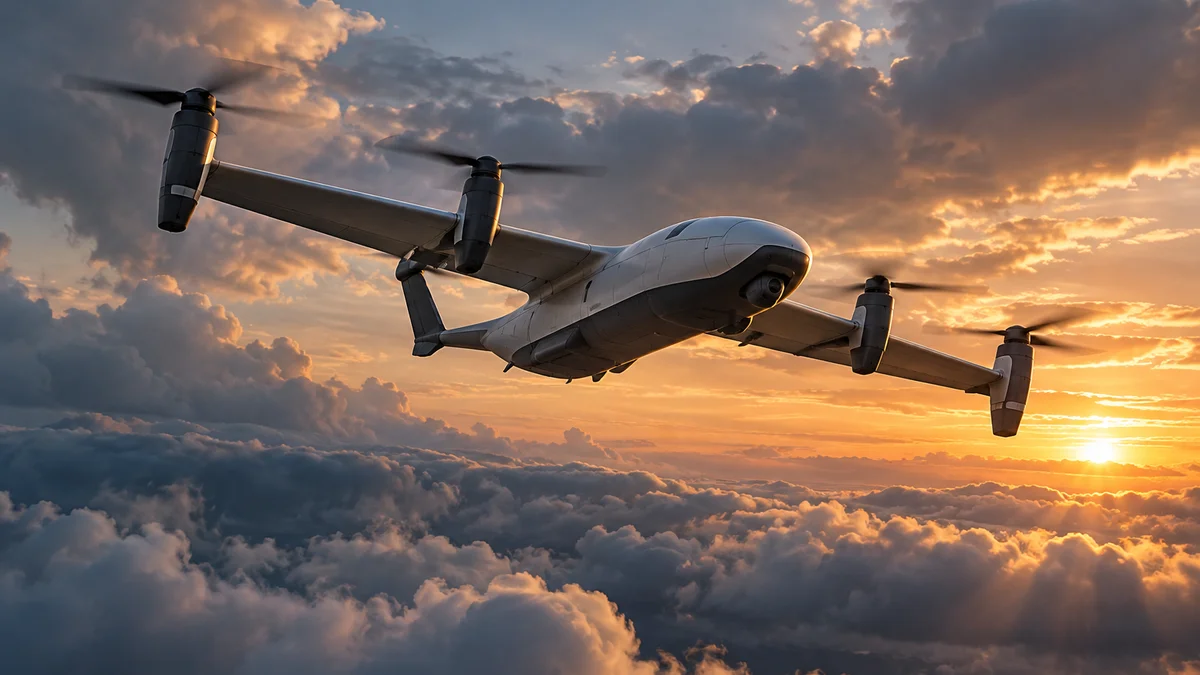
The vertical-to-horizontal transition is the most critical flight envelope of any hybrid unmanned aerial vehicle. Unlike standard quadcopters that tilt continuously to produce forward thrust, a VTOL platform must balance dynamic wing lift against motor thrust until the wing reaches flying speed.
The Dual Aerodynamic States of Hybrid Flight
In vertical mode (takeoff and landing), the Stallion VTOL acts as a quadcopter. Four vertical lift motors provide 100% of the required lift against gravity. The flight controller uses differential thrust across these four motors to maintain level attitude and precise ground position.
Once clear of ground obstacles, the flight controller commands the rear forward propulsion motor to spin up. As airspeed increases, the wing begins generating aerodynamic lift according to standard Bernoulli principles. At this intermediate airspeed, the lift motors gradually throttle back rather than shutting down abruptly.
Setting the Transition Airspeed Window
For a reliable transition, the flight computer must measure true or indicated airspeed rather than relying on ground speed from GPS. A calibrated digital pitot tube provides accurate relative wind velocity. Key parameter factors include:
- Forward motor ramp time to prevent sudden pitch changes
- Minimum stall margin before VTOL motor shutdown
- Assisted elevator trim during initial horizontal acceleration
- Elevon responsiveness under active wing airflow
Failsafes and Emergency Abort Logic
If wind gusts or low battery voltage prevent the aircraft from reaching safe wing-borne cruising speed within a predetermined countdown window, ArduPilot QuadPlane aborts the forward transition and reverts immediately to a stable hover. This autonomous failsafe prevents deep stall events and protects the airframe from uncontrolled descents.
Field Recommendations for European Pilots
Always initiate transitions into the prevailing headwind. Facing the aircraft into a 15 km/h breeze provides immediate free airspeed over the wing surfaces, reducing the duration of the power-intensive transition phase by up to 40% and saving substantial battery capacity for extended cruising.
Professional 3D-printed VTOL fixed-wing drones, hand-assembled, tuned and flight-tested in the European Union.